Classic 350 Tyre Pressure: Front, Rear and Pillion PSI
Classic 350 tyre pressure is about 22 PSI at the front and 32 PSI at the rear for a solo rider, rising to roughly 35 PSI at the rear with a pillion. Older pre-2021 bikes list 20 and 30 PSI in their manual, so check your own sticker.
On this page
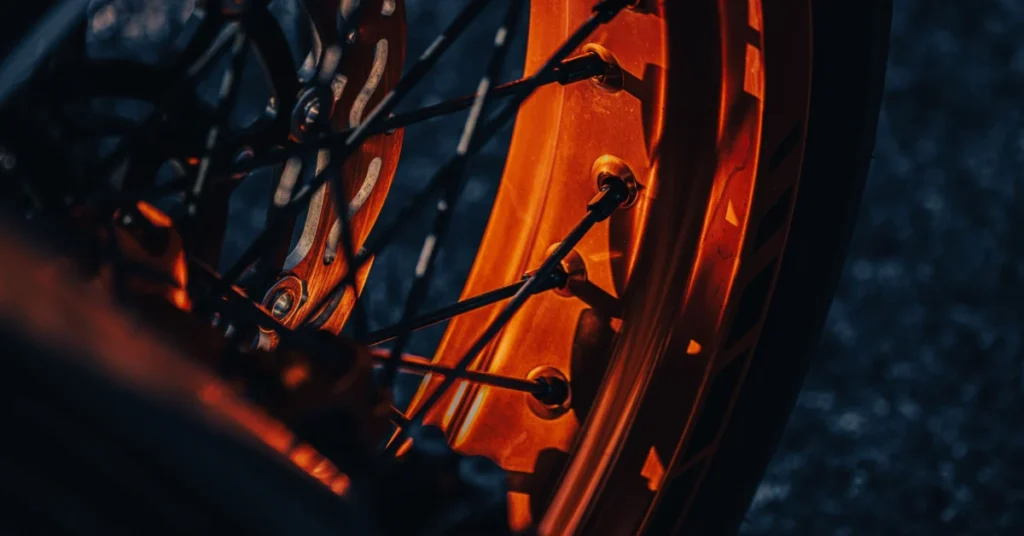
Classic 350 tyre pressure is about 22 PSI at the front and 32 PSI at the rear when you ride alone. With a pillion, most guides raise the rear to about 35 PSI and keep the front at 22 PSI. Older pre-2021 bikes carry a different manual figure of 20 PSI front and 30 PSI rear, so the model year matters.
A Classic is a heavy motorcycle with narrow tyres, and that makes pressure more important than on a light commuter. Too little air makes the front feel vague in corners. Too much air makes the ride harsh and cuts grip on wet tarmac. This guide gives you the figures for each generation, the tyre sizes, a unit table and a simple weekly check. It also explains how spoke and alloy wheels change the tyre choice.
Key takeaways
- Current Classic 350 (2021 onward): about 22 PSI front and 32 PSI rear when solo.
- With a pillion: about 35 PSI rear, and the front stays at 22 PSI.
- Older Classic 350 manual: 20 PSI front and 30 PSI rear solo, 22 and 32 PSI with a pillion.
- Check cold, and look at your sticker or manual first.
- Heavy luggage on a long trip counts as a pillion for the rear tyre.
Classic 350 tyre pressure chart
Royal Enfield’s official specification sheet lists 100/90-19 57P at the front and 120/80-18 62P at the rear for the current Classic 350, on spoke or alloy wheels. Meanwhile, the older bike used a 90/90-19 front and a 110/90-18 rear. In practice, the pressure figures differ between generations, and published sources do not agree on every number. Therefore, the table shows the main values side by side.
| Generation | Front tyre | Rear tyre | Front PSI | Rear PSI (solo) | Rear PSI (pillion) |
|---|---|---|---|---|---|
| Current (2021 onward) | 100/90-19 57P | 120/80-18 62P | 22 | 32 | about 35 |
| Older (pre-2021 manual) | 90/90-19 52P | 110/90-18 61P | 20 | 30 | 32 (front 22) |
The older figures come from Royal Enfield’s own owner’s manuals, which list 1.41 kgf/cm² front and about 2.1 kgf/cm² rear for solo riding. For the current bike, tyre makers such as CEAT and Apollo publish 22 and 32 PSI. However, we could not find a single official figure for every 2021+ variant. As a result, treat the sticker on your swingarm or the page in your owner’s manual as the final word.
PSI, bar, kPa and kgf/cm² for the Classic 350
Manuals often print kgf/cm², while pumps show PSI or bar. This table converts the common Classic 350 numbers. For anything else, use the PSI to bar converter.
| PSI | bar | kPa | kgf/cm² |
|---|---|---|---|
| 20 | 1.38 | 138 | 1.41 |
| 22 | 1.52 | 152 | 1.55 |
| 30 | 2.07 | 207 | 2.11 |
| 32 | 2.21 | 221 | 2.25 |
| 35 | 2.41 | 241 | 2.46 |
How to check Classic 350 tyre pressure
Do this every week, and before any long ride. Also, a hand pump with a gauge or a digital inflator works fine.
- Let the bike rest for two hours, or check before the first ride.
- Remove the valve cap and press the gauge on straight.
- Compare the reading with your sticker or the chart above.
- Add air in short bursts, or press the valve core to release some.
- Refit the cap, then check the other tyre.
Cold tyres give the true reading. A tyre that has just done 20 km can read 2 PSI higher. Consequently, never let air out of a warm tyre to match the chart, because it will end up too low once it cools.
Spoke wheels, alloy wheels and tubes
The Classic 350 comes with spoke wheels on many variants and alloy wheels on others. This matters because spoke rims usually need tube-type tyres, while sealed alloy rims take tubeless tyres. Published guides disagree on which variants are tubeless, so read the word on your sidewall. Even so, a tyre marked TUBELESS has no tube. Our guide to tubeless vs tube tyres explains how to tell, and why it changes your puncture plan.
Pressure targets stay the same for both types. However, a tube-type tyre loses air faster after a puncture, so check more often if you run tubes.
What happens when the pressure is wrong
| Condition | What you feel | Effect |
|---|---|---|
| Front 4 PSI or more too low | Vague steering, slow to turn in | Edges wear, and the front can fold under braking |
| Rear 4 PSI or more too low | Wallowing in corners, squirm with a pillion | Heat builds up, and the rear wears fast |
| Correct | Steady, predictable handling | Even wear |
| 4 PSI or more too high | Hard ride, nervous on wet roads | Smaller contact patch and centre wear |
A Classic also pitches forward under hard braking. Because of that, an under-inflated front tyre is the bigger risk on this bike.
Pillion, luggage and touring
Add pressure to the rear tyre when you carry a pillion or heavy luggage. The extra weight sits mostly over the back wheel. The older manual adds 2 PSI at both ends for a pillion, while current guides add about 3 PSI at the rear. Either way, set it before you leave and return to the solo figure afterwards.
On a long highway run, start from the correct cold figure. Do not over-inflate “to be safe”, since a hot tyre gains pressure on its own.
Common Classic 350 tyre pressure mistakes
- Copying the number from an older Classic 350 or a Bullet onto a 2021+ bike.
- Trusting a petrol pump gauge without a second check.
- Using the maximum pressure moulded on the sidewall as the riding pressure.
- Skipping the weekly check because the tyres “look fine”.
Related guides and tools
Use the tyre size decoder to read your sidewall code. In addition, compare with the scooter figures in our Activa tyre pressure guide to see how a heavy motorcycle differs. Browse the tyre pressure category for more models, or start at the DailyPress homepage.
Tyre care that supports the right pressure
Pressure alone does not keep a heavy motorcycle stable. Tread depth, age and alignment matter as well. Furthermore, a Classic 350 weighs well over 190 kg with fuel, so its tyres work harder than those on a light commuter.
| Check | How often | What to look for |
|---|---|---|
| Pressure | Weekly | Cold reading against the sticker |
| Tread depth | Monthly | Wear bars level with the tread |
| Sidewalls | Monthly | Cracks, cuts and bulges |
| Age | Every six months | Date code older than about five years |
| Valve cap and stem | Monthly | Missing caps and slow leaks |
Check the tyre age with our tyre age checker, because old rubber hardens even when the tread looks fine. In addition, replace the front and rear as a pair if one is badly worn, since a new front on an old rear can upset the handling.
FAQs
What is the correct Classic 350 tyre pressure?
For the current Classic 350, published guides give 22 PSI at the front and 32 PSI at the rear when you ride alone. Older bikes list 20 PSI and 30 PSI in the manual.
What is the Classic 350 tyre pressure with a pillion?
Most guides recommend about 35 PSI at the rear and 22 PSI at the front. The older manual lists 22 PSI front and 32 PSI rear for two people.
Is 30 PSI good for the Classic 350 rear tyre?
It is right for older bikes riding solo, and slightly low for a current bike. Still, if your sticker says 32 PSI, use 32 PSI.
Does the Classic 350 use tubeless tyres?
It depends on the wheel and variant. Alloy wheels take tubeless tyres, and spoke wheels usually take tubes. Read the sidewall, because a tubeless tyre says TUBELESS on it.
How often should I check Classic 350 tyre pressure?
Check weekly, and before every long ride. Tubes and tubeless tyres both lose a little air each month, and a heavy bike shows the effect sooner.
Should front and rear pressure be the same?
No. The rear carries more weight, so it needs about 10 PSI more than the front on this bike.
Set your Classic 350 tyre pressure by the sticker, then check weekly
Start with 22 PSI at the front and 32 PSI at the rear on a current bike, or 20 and 30 PSI on an older one. Add about 3 PSI at the rear for a pillion, and read your own sticker before you trust any chart. That said, a weekly cold check keeps the steering sharp and the tyres even. When you need new rubber, confirm the size first and compare brands before you buy.
Check your vehicle's own label or manual. DailyPress is independent and not affiliated with any maker, tyre brand or government body.